We have reached the limit of computer graphics
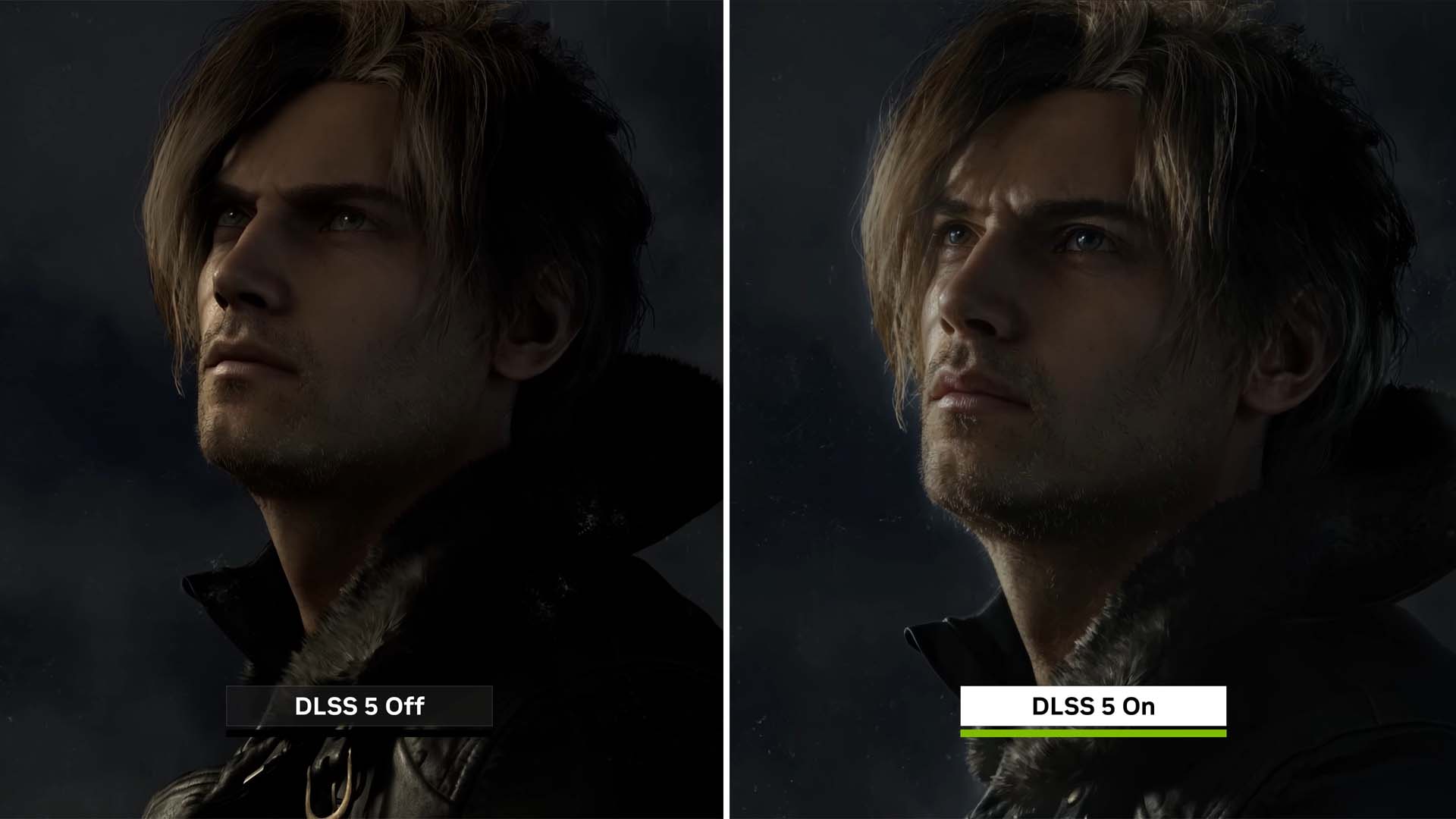
Unless you have been living under a rock, you've heard about DLSS 5, a technology made by NVIDIA to make computer graphics more photorealistic. What started years ago as a smart spatial upscaling trick has evolved into a hyper-advanced real-time AI rendering pipeline capable of predicting geometry, lighting, and temporal consistency at the frame level. But of course it's not without its flaws, it was received with a lot of criticism from the gaming community, and a lot of funny memes started appearing all over the internet.
There's no denying though (using AI or not) that we are quickly approaching a historical turning point in visual computing: the moment where real-time graphics become completely indistinguishable from reality. But what can we do beyond photorealistic graphics?
When Photorealism Hits the Wall
For decades, the goal of computer graphics was clear and straightforward: more polygons, better ray tracing, higher resolutions, and more convincing materials. Developers spent billions optimizing rasterization techniques and lighting models to trick the human eye.
Now, generative AI and real-time neural rendering are bridging the final gap. Once AI models can synthesize photorealistic, physically accurate worlds on the fly at hundreds of frames per second, traditional rendering engines as we know them will reach their ceiling.
From a purely visual perspective, on a flat 2D screen, we will have reached the absolute limit of computer graphics. Once a rendered image is pixel-perfect and indistinguishable from real life, throwing more computing power at screen-based rendering yields zero perceptual improvement.
Is this the end of the road for graphics innovation? Not at all, it simply shifts the battlefield, we have to think outside the box.
The Next Frontier: Beyond Flat Screens
Hitting the limit of 2D visual fidelity forces the tech industry to rethink how we experience digital worlds altogether. When rendering pixels on a panel can no longer be improved, innovation must pivot to immersion and interface paradigms:
- Next-Gen Spatial Virtual Reality: Photorealism inside a VR headset requires vastly higher resolutions, field-of-view improvements, and ultra-low latency to prevent motion sickness. AI-driven foveated rendering will be mandatory to push photorealistic graphics at 16K per eye.
- Neural & Haptic Feedback: True realism isn't just visual—it's tactile. Integrating low-latency neural interfaces to simulate physical touch, resistance, and momentum will redefine what "immersion" actually means.
- Direct Brain-Computer Interfaces (BCI): Why route signals through eyes, optics, and display panels at all? The ultimate frontier of visual computing involves transmitting signals directly to the visual cortex. Skipping physical light altogether opens up possibilities for experiences that bypass human biological display limitations entirely.
Final Thoughts
Achieving photorealistic graphics via real-time AI doesn't mean computing progress stops, it just means the flat-screen chapter of graphics history is coming to a close. Once the visual trickery is perfected, the real challenge begins: bringing those worlds into our senses seamlessly.
What are your thoughts on DLSS 5 and the future of rendering? Do you think BCIs or VR will be the primary way we consume graphics next? Let me know in the comments below!